BlackWomenWork

Our Stories. In Multitudes.

  • Stories
  • Gallery
  • About
  • Contact Us
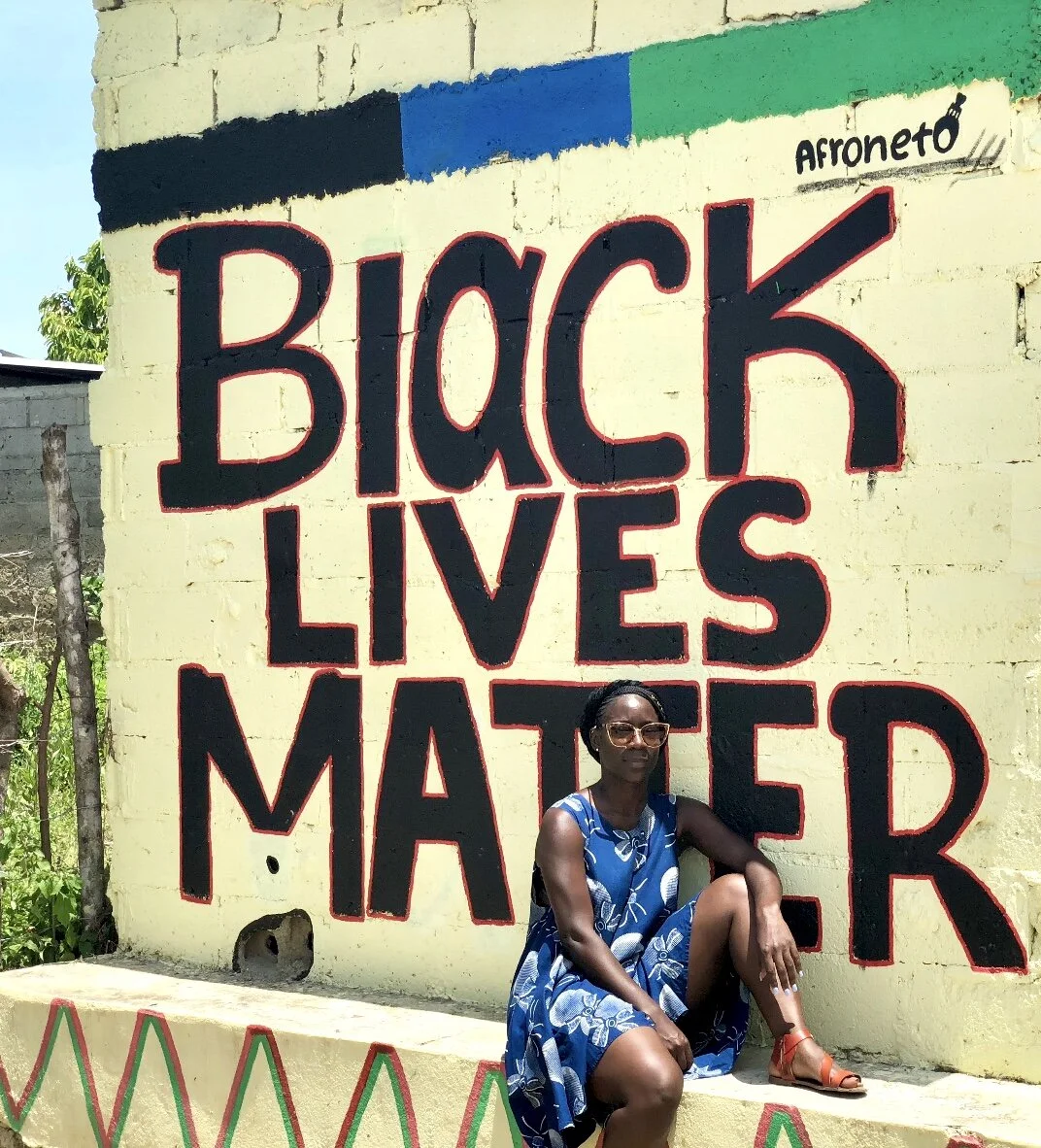
Screenshot_20200506-200242_Chrome (1) (1).JPG

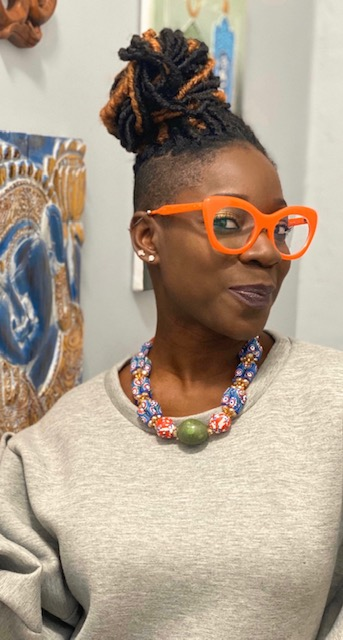
Candace Hugee, High School Principal

June 11, 2020 by Pier Duncan in Education, Leadership, Youth Development

Hi, Candace! Can you share what you do? 

I am first a teacher and an educator. I’m also the principal of the Urban Assembly School for Collaborative Health Care. We are located in Brooklyn. I’ve been at this school for four years. Prior to being at this school, I had started another high school in Sheepshead Bay [Brooklyn], and I was there for four years. In total, I’ve been in education for fifteen years. 

Wow. Did you start as a classroom teacher? 

So I started as a school aide. I’ve been a school aide, a paraprofessional, a teacher, an assistant principal, and now a principal. And I’ve been a school secretary. So I’ve held pretty much every position in a school. (laughs) 

You actually have! (laughs) Can you share more on what brought you to education? Influences that helped you to chart your course? 

I really thought I would be a sportscaster. I double-majored in communications and history, and I minored in dance. I always went to city schools. I graduated high school at 16, and went to college early at a school in the CUNY [City University of New York] system, at Hunter College. I had always worked at camps — day camps, summer camps, after-school programs. I just thought the kids were dope. We had a lot of similarities. I look like them and they look like me. So I was around kids a lot through those jobs.

After I had graduated from college, I did an internship at ABC, and worked a bit at ESPN. I enjoyed the sports journalism world, but it was very misogynistic, full of white men, and I didn't see an opportunity to get where I wanted to be in the near future. I was watching endless games, writing the narratives for the sportscasters to read on on-air broadcasts, and they would just read my notes. They wouldn’t watch many or sometimes any of the games. On top of the fact that it wasn’t really fun, I got stuck watching all of the hockey games. I’m black. (laughs) So that was a catalyst to start thinking of what would be next for me, professionally.

At the same time I was interning, I was working as a school aide just because I needed an extra check, and the benefits. I wasn’t thinking of education as a career choice, but I realized by that point that I liked being in schools, so being a school aide was a great opportunity. So I applied for New York City Teaching Fellows, and was accepted. That put me on the path to becoming a principal. 

I should note that I had attended a middle school called Philippa Schuyler, led by a dynamic principal named Ms. Mildred Boyce who I can confidently say changed my life and the lives of so many others who graduated from that school. The way she cared about us and the way that she held expectations made a huge impact on me in terms of what an educator could be. She’s a real matriarchal figure in so many of our lives. 

You’re talking about influences and so I’m curious who else has been pivotal in your life? How have you paid those lessons forward? 

I teach at a high school because I prefer older kids, but also because I feel that my own high school failed me. I went to a really huge high school. If I didn’t have any drive, if I didn’t have my parents, I could have easily slipped through the cracks. No one would have noticed. I was just a number. Because of that experience and people I’ve met, like Ms. Boyce, I’m now leading a high school. I think the lessons I took from Ms. Boyce, and from watching the other teachers who are more experienced than me, essentially underscored the importance of really knowing your students. Any school I’ve led, I never wanted a student to feel or be treated as though they were just a number. Social-emotional learning is kind of a buzzword now in education, but it counts a lot to me. Academic success is important, but students have to feel as if they belong and that you care. And you’d be surprised. The student who is driving you insane can often be the one who really wants to make you proud. When I think of my own experience as a student, I knew the adults in my life expected me to do my best, and I try to impart that on my students, which I think is why I’ve had pretty successful schools. 

What do you think makes you uniquely suited to be in the space you’re in, and not only to be in those spaces, but to thrive and have successful schools? 

I think it’s because I listen. Over time, I had to create boundaries with my students because I would listen too much. But in taking over the school I have, it was a disaster when I got there. The girls — and the school is about seventy-five percent girls — were fighting nonstop. Although my superintendent didn’t initially agree with my approach, I spent several of my first months there just listening to the kids, listening to the teachers. I went into it setting very clear expectations for everyone I spoke to that I may not give you the answer you want, or give you a quick “fix”. But we’ll talk through the issue in order to figure out what you need to be successful. So I’ve gotten to learn so much about the kids and my staff, and I share things with them, too. I see myself in them, and whether they see themselves in me or not, they always know they have an advocate. 

What is the significance of being a black woman working in your school? 

I think it makes all the difference. I don’t know what is worth more — being black and female, or shared lived experiences. From the onset, I think it lowers students’ defenses because they know I understand where they’re coming from. To be able to talk about a life that was lived similar to their own, whether I’m talking about the age I had my daughter, or my school experiences, I think that counts for a lot. I think my identity also helps with the parents, and staying in tune with them. And it’s the little things. For example, I’m 35 years old and even though I still don’t know what these kids are listening to, they know I’m open to learning what’s going on and letting them teach me. I think being a black female means I can attract staff who look like me. I’ve had people tell me that they received all these offers to work in different schools, but that they want to come work for me because they want to work for a black principal who really believes in the work. 

Do you do any leadership development where you identify some younger folks to groom, and what does that look like? 

When I first got to my school, unfortunately, I had to get rid of a lot of the older teachers who were just unwilling to get on board with my vision for change in the school. The teachers who came in to backfill those vacancies were young, as in 23 or 24 years old. They’re really energetic, so I try and channel that excitement away from trying to be the kids’ friends, and instead focusing on getting good at their craft. I try to work with them around pedagogy. For younger teachers, many are looking to make connections. They want to do this after-school club and that club. I encourage that enthusiasm, but I do try and work hard on developing their content knowledge and teaching skills while still giving them the ability to do the activities that excite them. 

And at the system level, how do you feel black educators are brought into and developed for leadership roles?

I really struggled my first two years. I felt like I was just hired to run the school I’m currently at because I was smart and a black woman, and the school is predominantly black girls. They were like, “OK, great, she’ll fix this.” I didn’t have any context for what I was getting into and nobody tried to give me any. They just threw me into Narnia. (laughs) As it turned out, the school had a deficit of hundreds of thousands of dollars. So it was a lot. I really resented the way district leadership treated me, and I don’t think it was malicious or intentional -- the system is overburdened. But I was just given no attention. 

In my third year, I was mentored through the Assistant Principal Leadership Institute through the district's Office of Leadership. I didn’t want anyone to go through what I went through so I tried to talk to my peers to prepare them for what they would face. That was kind of my way of pushing back against the system. Everyone wants to talk about DEI, but nobody wants to get real about some of these issues that weren’t going to be covered in our leadership classes. I wanted them to know,  you need to be able to advocate for yourself.

I would say now the system thinks they’re addressing issues of inequity by putting us all through these implicit bias trainings and talking about race, but it’s not authentic. It shouldn’t be that we’re only having these conversations at designated times in these facilitated spaces. We should be able to discuss DEI issues in all settings, regarding all aspects of our school system, our students, and its leadership structure. 

Is there anything we haven’t touched on where you want to get into it? 

I think what I really want to get out there, I’m starting a social media blog. It’s called Your Favorite Principal. I need to get it up and going but I’m excited about that. 

Also, I can’t leave this conversation without saying that this profession — education — needs people. The system desperately needs teachers. Quality teachers. There are so many teaching preparatory programs cranking out people who are routed directly into teaching positions. I think we need to bring the integrity of the profession back to front and center. We need people who are going to really take this as their life’s work, and see their work as investments in generations to come. I’d love to one day work on a national initiative to draw people into teaching because it is a great career, and there are great perks. But I would love for those teachers to look like the kids in the communities where they work. 

Wonderful. That’s a great note to end on. Thank you, Candace!
June 11, 2020 /Pier Duncan
Education, Leadership, Youth Development
1 Comment
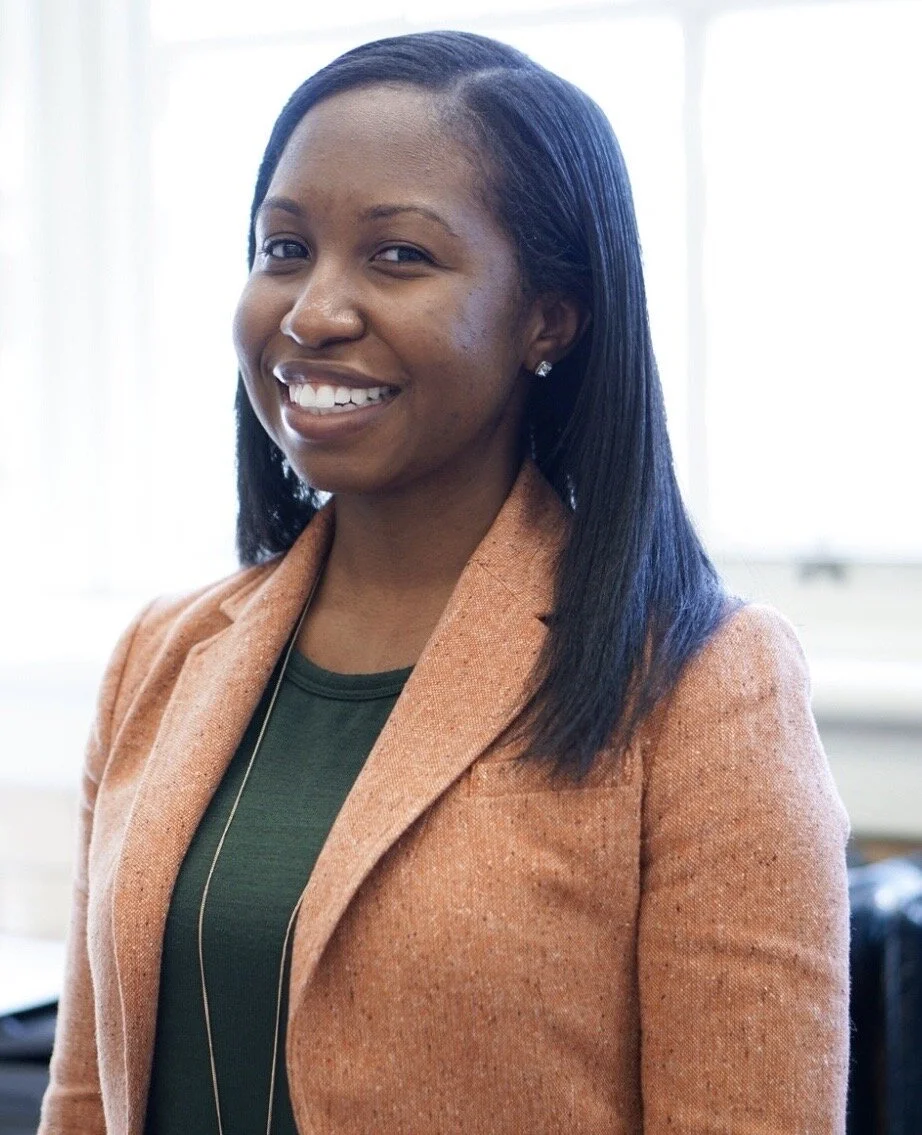
MouniaAsiedu.png

Mounia Asiedu, Math Teacher

February 25, 2020 by Pier Duncan in Education, STEM, Youth Development

Hi, Mounia. Thanks so much for doing this. We’ll start with the basics. Can you tell me what you do?

I am and have been a teacher for 8 years. I’m also a part-time graduate student pursuing a Master’s in School Counseling.

And so how did you come to be a teacher? I know that’s a big question. 

It’s kind of a long story, but I think that I’ve known that I wanted to be an educator for a good while -- at least since before I attended college. Unfortunately, I made the mistake of not following my heart and took the long road to get here. I’m a second generation American who was raised by a single mother. Just to give you some context, we lived in a three-bedroom apartment in Flatbush with other family members and at any given point, there were at least 13 of us living there. You can imagine that when we had conversations about future occupations, my mom’s main concern was how I would be able to take care of and create a better life for myself. The push definitely wasn’t to become a teacher. It was either you became a doctor, a lawyer, or some kind of business person. 

When I finally attended college at Temple University, I double majored in legal studies and international business administration. During my junior year, I had my first opportunity to teach through an Americorps program called Jumpstart, where I worked in a pre-kindergarten classroom with students from underprivileged backgrounds. I loved it, but I knew that it couldn’t pay the bills. 

After I graduated with my Bachelor of Business Administration, I moved back to New York and worked at a non-profit within the criminal justice system. I often describe it as soul-crushing work. For three years I worked as a Release on Recognizance (RoR) interviewer and I watched defendants who were a majority Black and Brown kids, being shuffled in and out of cells, shackled in arraignment courtrooms, and treated in some of the most unfair and inhumane ways. At a point, I took some time to reflect and I came to the conclusion that I wasn’t a part of the solution for these kids. The thought of that wore me out and ultimately, I had to make an exit. I decided to apply for the New York City Teaching Fellowship program in 2012 and I’ve been in the classroom ever since.

I think it’s interesting that you worked in the court system because having been in public education administration myself, the school to prison pipeline is something you constantly hear about. How did what you experience in your role as an RoR interviewer influence how you approach teaching? I’d imagine you would implement a kind of counterbalance to the justice system’s very deficit-oriented way of viewing black and brown students.  

The school-to-prison pipeline is very real! I remember interviewing so many kids and overwhelmingly, most of them had not graduated high school. So many of them had stories about being pushed out of school. I think that my background offered me very unique insight on what the other side could actually look like for my students and there is no way that I could ever want that for them. So, I have always tried to keep that in mind. I try to remain hyper-aware of what the consequences of suspensions could be, of what a classroom removal could lead to for my students. Additionally, the data is out there that shows that these things don’t work, so why would I utilize these tactics?

What we know works is fostering meaningful relationships with your students. We know that restorative justice programs and efforts are more effective than suspensions and harsh disciplinary actions. What has the potential to work is keeping love and care for your students at the center of your practice. For me, that has been the way that I have been able to connect with some of my toughest kids. It was never through isolation. I want them to know that I will hold them accountable and even when we struggle, when we don’t agree, and when they don’t like me, I’m still going to love them and be right there for them the next day. Also, I think it helps that I’m a Black woman teacher who is from Brooklyn just like them. I’m familiar with their neighborhoods and we have some stories in common. I believe there is truly something powerful about representation, visibility, and feeling seen. 

You spoke about being heavily encouraged by your family to go into certain careers -- medicine, law, engineering -- which ended up not being fulfilling. That emphasis on STEM careers is one that I think is probably familiar to a lot of immigrants, or children of immigrants, or even just African Americans who are focused on upward mobility. It’s this gold standard. As a math teacher, how do you alleviate that pressure to excel in math or STEM, and allow your students to really lean into other subjects they might be passionate about? 

I think that I’m still learning and evolving in this area. Given the structure of our deeply flawed education system -- one in which students’ standardized test scores are tied to your overall teacher rating -- a lot of educators, especially those who may be untenured, are forced to prioritize these subjects. It’s extremely intimidating and to be honest, it wasn’t until I received tenure during my third year that I felt a lot more comfortable with the idea. As weird as this sounds coming from a math teacher, my main focus is no longer math content itself. This isn’t to say that it’s not a focus, because I definitely love math and want my students to also love it. I just think that before we can get there, before I can ask my students, most of whom have not had a great relationship with math in the past, to dive in and even embrace it a little bit, we really need to build on some other things. 

I have the luxury of being a part of a program in my school that allows me to have some of my former students as teaching assistants in each of my classes. My classroom is structured around relationship-building and working on skills like resilience, critical thinking, and questioning, first and foremost. Students complete their work mostly in groups and learn that success can’t be experienced in isolation. They learn to depend on one another and I try to instill in them the idea that they are responsible for each other. We operate as a unit. These are skills that I believe can extend beyond math class and will help my students in whatever fields or trades they decide to enter in the future. Over the last few years that’s where I’ve focused my energy, on building a community.

Who are some of the role models or influences you’ve had that have helped you shape your approach? 

Ooh, several! So I am fortunate enough to work in a school with administration that understands the importance of the whole child, versus seeing a child as a test score -- as a one, a two, a three, a four, or as a pass or fail. I’ve had a lot of support through my principal -- thank goodness -- and my assistant principals and some of my colleagues who were there before me and have dedicated their lives to empowering children and fighting racism through education.

And what are some of the things you’ve learned from them? Key take-aways or lessons they’ve imparted on you, that you continue to return to in your career? 

At my school, we have two unofficial slogans, “An injustice to one is an injustice to all,” adopted from words spoken by Dr. Martin Luther King, Jr. Also, we say “We are all working on something.” Both are constant reminders that as an educator and as a human being, it is my job to continue to work towards equity and creating opportunities for my students to be successful. My students and all students are deserving because they are here. Period. Anything that goes against that idea is worth fighting against. When I’m feeling inadequate as a teacher and generally overwhelmed by how brutal our world can be, I return to these words for purpose and hope. They keep me going and remind me that you don’t stop. You don’t give up. This work is extremely important and we all need others who will continue to show up for us, especially our children. 

You said you were in a graduate program. What is the program?

I’m at Hunter College right now for school counseling. So this is interesting. Applying for the program came about similarly to how I got into education. I can't remember exactly what it was, but some big world event had just taken place. At this point, it seems as if there is one every day. I’m going over my algebra lesson and looking out at my students and I had a moment of pause within myself.  I thought “Why am I doing this? Why does Algebra matter in this moment when our world is on fire? Why does this matter when some of my students are going through some extremely traumatic stuff in their everyday lives?” I think that every few years I have these periods where I start to reflect and re-evaluate whether or not I am doing what I need to do to be helpful to my students and to others. And so like my experience with my role in the courts, it came to a point where, yes, I love math and I love teaching, but I see myself being able to support students in a different way, in a way that I believe is a bit more meaningful right now. Given the state of America, and the entire globe really, it’s hard not to think, “Why am I standing in front of students talking about equations?” For me, being a math teacher is limiting at this point. I’d like to devote more time to helping students navigate issues in their lives. I want to have more conversations with them about what’s going on in their worlds and the world at large and help them to find ways to be a part of a solution. 

What do you do to make sure you keep your own mind right? 

Woo! (laughs) First and foremost, I spend a lot of time talking to some of my colleagues who have been in education for a long time. The individuals that I call my friends at work have a firm grasp on why we’re doing this thing -- they get it. I can turn to them with questions or when I just need to vent. Oftentimes, that’s my therapy. Recently, I also started to do a lot of reading for my own pleasure again. I listen to lots of music. I meditate, and use a singing bowl to clear my mind and center myself. And traveling! Having summers off is a great thing. I go on a solo trip every summer and it does wonders. I always come back feeling refreshed and renewed. Lots of meditation, positive affirmations, reciting mantras, all of that stuff. 

In your career as an educator, what has been a misconception you’ve uncovered? Or an “a-ha” moment? 

That teachers, or even adults for that matter, have the answers. In fact, I believe that young people are the ones that have the answers and that we need to listen to them more. At any point in history, they have been at the forefront of movements for change and progress.

And what have you learned from your students? 

To be patient. To be humble. (laughs). I’m trying to remain teachable and open to feeling uncomfortable. More and more, I’m embracing the idea of giving up my power as a teacher to empower my students. That definitely was not my experience as a student and not what education typically looked like when I was growing up. I don’t know it all, even with these degrees. I’m taking my cues from them and I’m really just learning to listen. 

Since we’re on the topic, what are you excited about for the future? For yourself,  for the world, or for your students? 

Just the idea that change is in motion. I think that we can very easily get wrapped up in the notion that things should happen quickly, but if you know anything about change, you know that even though it may be slow to come, it comes. I trust, knowing my students, that the world is going to move in a more progressive direction. It will move towards a place where people are free to be themselves, a place where we’ll have less hate in the world, and more people will be caring and loving, and interested in the well-being of the collective rather than the individual. 

Awesome. So, finally, I like to leave a space where you can share anything we didn’t get to that you’d like to put out there. 

We need more Black educators and more diversity in the classroom (laughs). We definitely do. It’s important for students to see themselves. I hope that soon we get to a place where we really make representation and equity in education a priority.

Yes! I’m really excited for you to become a counselor because what you’ve shared about how you think about your students, and how you view them so holistically as these beings in constant transformation and with infinite potential, I’m so glad you’re in front of them at this time in their lives. To have a counselor who can speak to the socio-emotional side of education, who has a shared background is just so rare. 

Thank you! And thank you for doing this project. I’m excited for you. It’s admirable that you’ve taken on the incredible task of highlighting the everyday Black woman in her field of work. I think we have a tendency of assigning value based on who is in the spotlight and who isn’t. The truth is that every single one of our stories matter and deserve to be told. I hope this project encourages many more of us to do just that. 

I appreciate that! Thank you so much, Mounia!

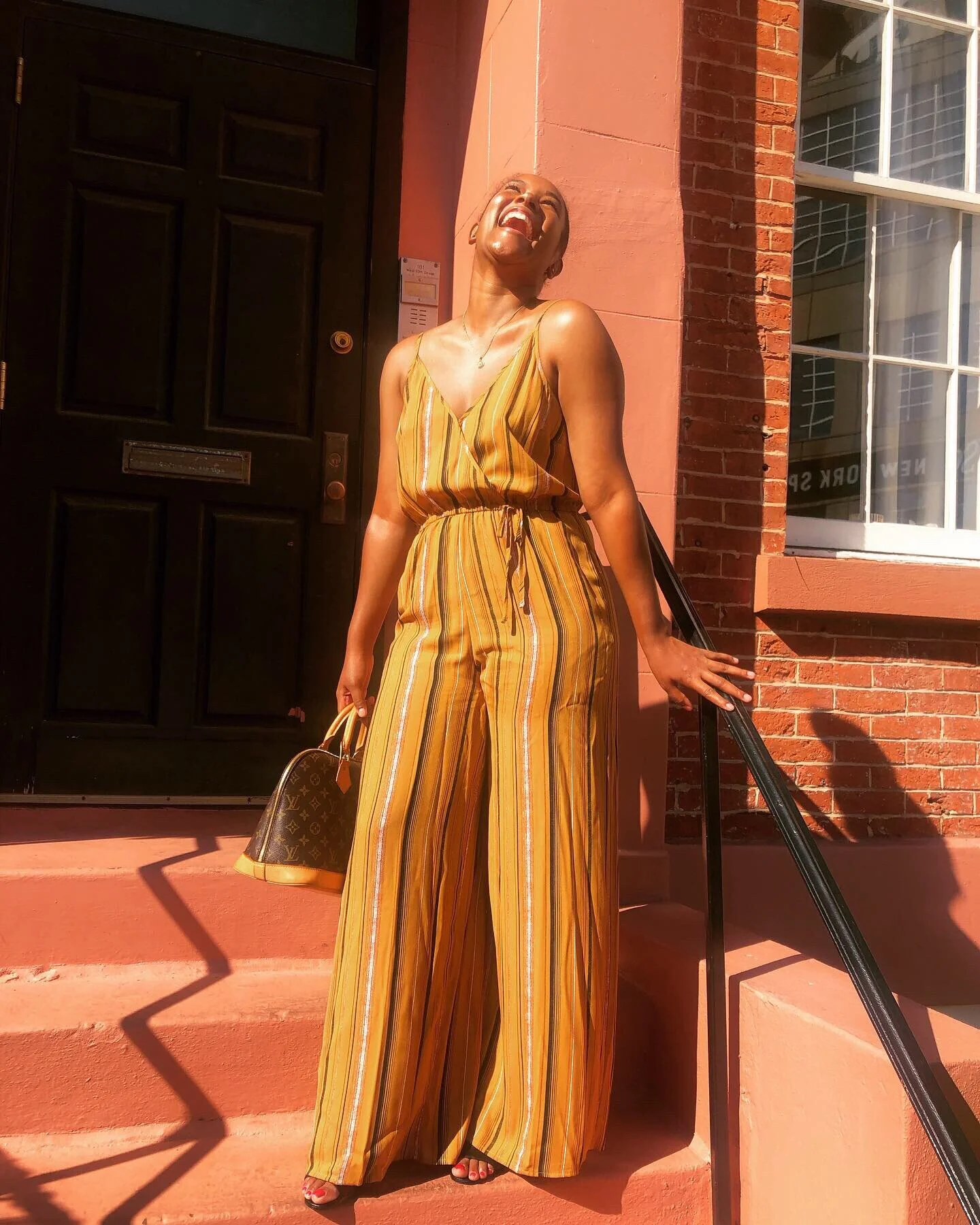
MouniaAsiedu2.jpeg

Please share this post with a friend, and follow us at @BlackWomenWorkIG!

February 25, 2020 /Pier Duncan
Education, Mathematics, Teaching
Education, STEM, Youth Development
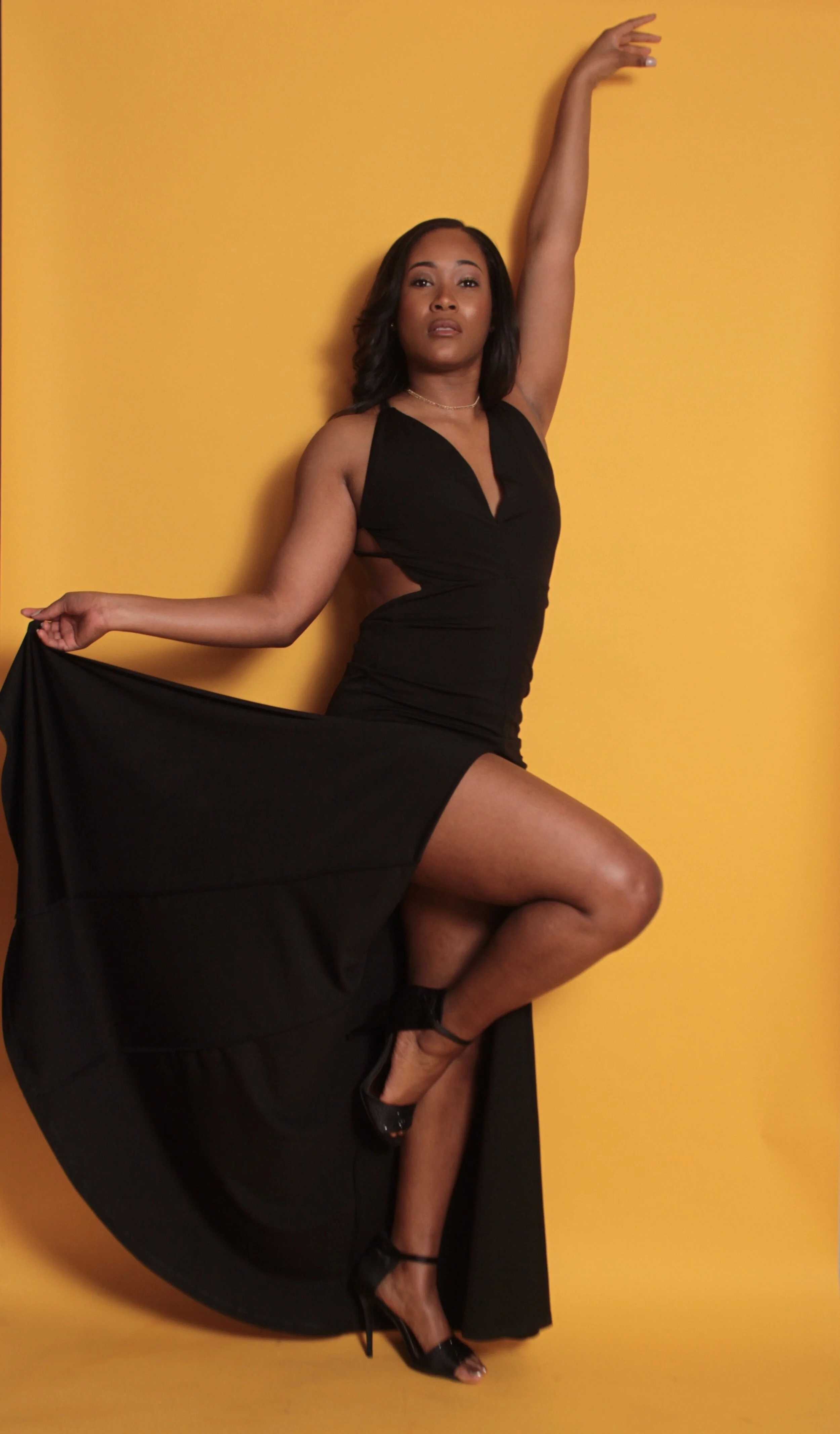
SherrellWhitmire1.JPG

Sherrell Whitmire, Youth Development Program Director & Professional Dancer

January 16, 2020 by Pier Duncan in Social Work, Dance, Youth Development, Community-Building

Hey, Sherrell! How would you describe what you do? 

I sometimes say that I am a dancing social worker. I am a trained dancer, but currently I work with youth as Program Director of the first NYPD [New York Police Department] community center, located in the East New York/Brownsville neighborhood in Brooklyn. It’s the first initiative of its kind, focused on facilitating programs and relationship-building between the NYPD and young people. We offer programming for 12-19 year olds in the community that will expose them to different kinds of career pathways through extracurricular opportunities such as internships, a youth council, dance, an aviation program, and so many other things our youth may not otherwise be able to engage in. 

How do you think this community center will be useful for young people?

The community center will be useful to young people because it will provide resources that have not been offered continuously in the community. In addition to resources, I think it’s important to encourage civic engagement, and to provide a safe space for young people to process their surroundings. What do you see happening in your community? What do you like, and what do you not like? East New York is slowly being gentrified, so how do you maintain the essence of the community while others are coming in. My hope is that our programming will allow young people to step into this conversation, as well promote youth engagement and exposure to various internships that will allow them to gain skills and possible career interest in the programs being taught. 

You alluded to it a bit earlier, but how did you transition from being a dancer to a social worker? 

I got a full scholarship to college for dance, and since people kept telling me that you can’t make a living off of dance, I did a double major in dance and social work. After college, I moved to New York City because I wanted to say that by 30 years old, I had gone after my dreams. I have been lucky enough to work with a professional dance company, do various gigs, be an NFL cheerleader. I did my first tour, traveled all over the United States, and returned to New York City because I felt that I needed a more sustainable career path. This is where social work came in. While working at an afterschool program as a teaching artist, I began to see how dance can improve so many other things in the lives of young people. I then went to graduate school to obtain a master’s in social work in order to play a larger role in how those kinds of programs serve young people. 

What were some of the critical career steps you’ve experienced leading up to where you’re at today?

While in graduate school, I interned at the Brownsville Community Justice Center working with the young women’s collective. The young ladies were between ages 19 to 24 years old, and we explored community issues that felt meaningful, and organized activities and programs to process those issues. Through various community issues we explored sexual abuse through meditative yoga practice, or psychodrama. 

When I graduated with my MSW, I was asked to work with incarcerated youth placed in alternative programming instead of being sent to Rikers. I would support the young people through their court appearances, talk with the district attorney on their behalf to speak to their character and progress in our programming. Then I was promoted to a role where I was able to think through structuring a workforce development program, and to build a program focusing on social enterprise for young people who have graduated and don’t want to go to college. So the social enterprise track would allow those young people explore how they might grow a DJ business, or launch a t-shirt line -- to become actual entrepreneurs. 

I also had the opportunity to get into placemaking , where we had young people contribute to transforming spaces in their communities where harm has or is currently being done. For example, these might be places where gang violence frequently occurs, or where sexual violence has occurred, or consistent drug use takes place. We explored how to transform those spaces through murals, and let young people take the lead on how that occurs. 

So you’ve really integrated social work and the arts. How do you draw that connection when explaining your work to others?

In most people’s minds the two are unrelated, but to me, the arts and social work are interconnected. Taking dance as an example, movement is therapy. Dance can allow young people to zero in on why they’re having a challenging moment. One day, I would actually like to create my own nonprofit that focuses specifically on arts programming. 

That’s awesome! Tell me more about this nonprofit you’re envisioning. 

I envision it as a creative hub space that provides free services for youth that have a strong interest in being creative -- through movement, theatre, or singing. It would be an outlet for exploration, because despite what people will tell them, these interests can be actual career paths. So having a space to be able to help bring out the gifts and talents of some of our young people is really my dream. Especially considering how the arts are being defunded in our public schools. The arts can teach discipline, and build character -- it’s so important. 

I’d also love to travel and do a workshop series where I travel around the country. Growing up in Columbus, Ohio I never had the opportunity  to leave until I was 23 years old and moved to New York. It’s crazy because when you’re from a small place, you can be the best or the top ten dancers in that town. But when you get to New York City, you realize how much more there is to do in the dance world, or in the arts as a whole. It would have been great for me to be more exposed  when I was younger, so I would want my nonprofit to enable me to bring that kind of knowledge back to my hometown and places like it. If I’d had that help, it would have been wonderful. I love giving back information and resources. My mom did so much for me, but she didn’t know to send me away for the summer to train, or to explore this or that program. There are so many great dancers in places that just need more resources so those young people can really build their craft.

What is your professional support system like?

I’m still seeking a mentor. I do feel that I’m just kind of out here doing this on my own. I think about that every day. My role in East New York/Brownsville has allowed me to stretch my everyday nine-to-five skills, and has rooted me in community engagement with different stakeholders. I’m more integrated into the logistical side of things. I feel that my last job prepared me for this current role because I was doing logic models, program models, youth recruitment. And, before that, my internship experiences rooted me in learning. But I would love to have a mentor to help inform my decision-making, or to help me figure out what direction to take in my career -- what is even out there for me to consider as a next step or in setting up my nonprofit.   

Who inspires you?

My mom. She is a social worker. She helped me think through the type of work I want to engage with in this field. She started in youth development but now she does mental health. I remember her working with young people, and I can see how I really followed in her footsteps. She helped me land on a path. She would say “Do you want to work with adults? Drug and alcohol abuse issues? Do you want to work with kids?”  So she helped me determine a pathway and to identify how my talents can be applied. 

Final question! What are you excited about for your future? 

I would like to create a framework that can be used nationwide or citywide for engaging youth in productive conversations related to their experiences with police. There is such a negative narrative around police engagement efforts and around our young people that has come from the increased coverage of police brutality and harassment. Those narratives are informed by real historic, systemic issues. I hope to find a way to address them head on through conversations between young people and police, to position young people as experts who possess critical information that police departments can really learn from. I am a firm believer that if we make the space for them to do so, youth will step in and lend their knowledge and experiences to the conversation. They’re the future of these communities. I’m excited when I think about how this will affect communities ten years from now, and hopefully be able to say we --  young people, police, politicians, everyone -- made real change in East New York/Brownsville by working together.

SherrellWhitmire2.jpeg

Please share this post with a friend, and follow us at @BlackWomenWorkIG!

January 16, 2020 /Pier Duncan
Social Work, Community, Youth Development, Dance
Social Work, Dance, Youth Development, Community-Building
Comment

Powered by Squarespace